With the advancement of technology and living standards, new materials and techniques continue to emerge, driving the evolution of manufacturing. Among these innovations, vacuum laminated boards have gained increasing attention. They play a key role across various industrial applications, including electronics, aerospace, and architectural decoration, demonstrating broad versatility.
A vacuum laminated board is a composite material produced through a heat-press process in a vacuum environment. It typically combines a substrate (such as fiberglass, carbon fiber, or composite resin) with a surface layer (such as copper foil or aluminum foil). Under vacuum and heat-press conditions, the two layers bond tightly, creating a stable, high-performance board.
Manufacturing Process:
Substrate Preparation: Select and pre-treat an appropriate substrate, e.g., fiberglass or carbon fiber cloth, and cut it to size.
Surface Coating: Evenly coat the substrate with resin to ensure the overlay adheres properly.
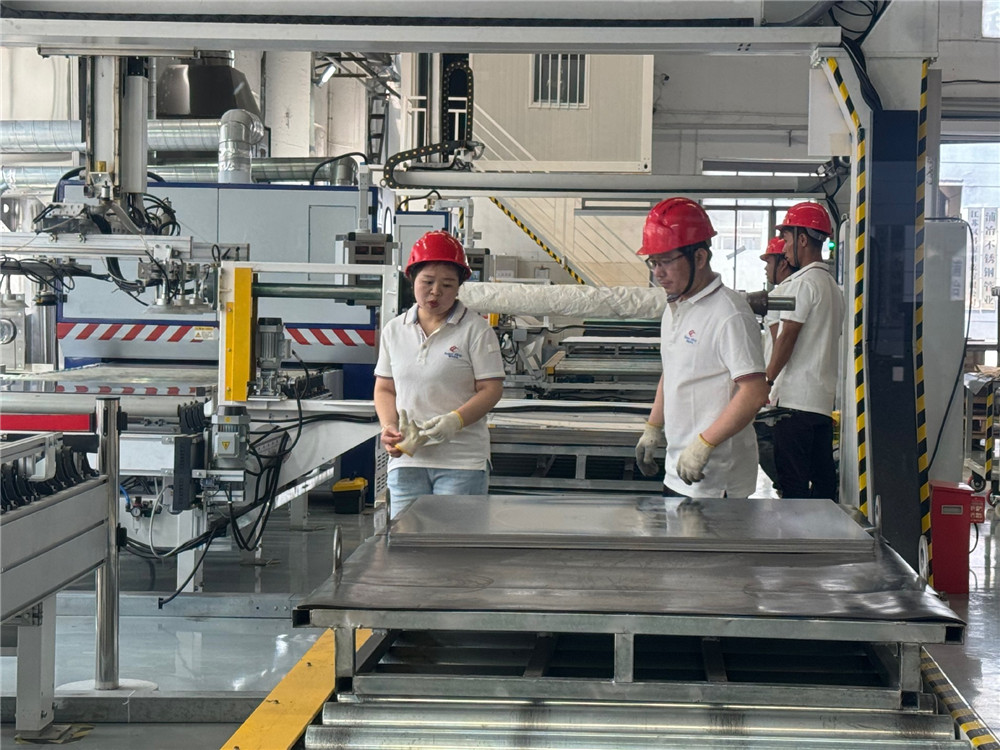
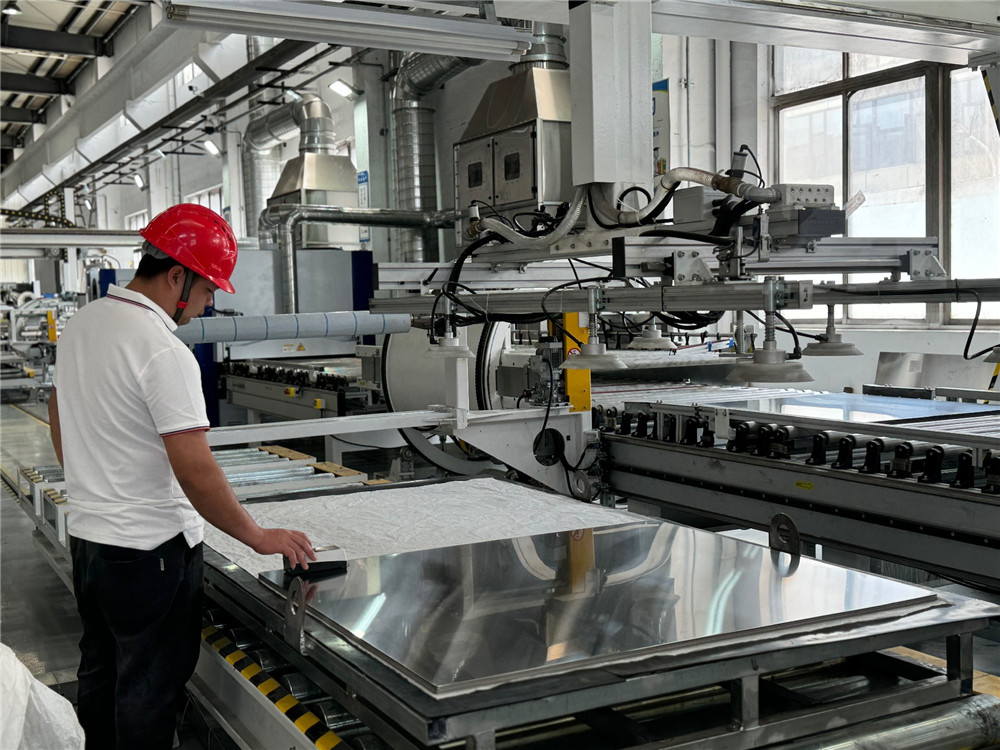
Lamination and Pressing: Place the substrate and overlay in a vacuum environment, apply heat and pressure to melt the resin and fill the substrate gaps, forming a composite structure.
Cooling and Curing: After hot pressing, the material is cooled and solidified, producing the finished vacuum laminated board.
Key Performance Features:
High Strength with Low Weight: The composite structure allows the board to maintain lightweight properties while offering high strength, suitable for weight-sensitive fields such as aerospace and automotive manufacturing.
Corrosion Resistance: Using high-performance resins and overlay materials ensures long-term durability in harsh environments, resisting moisture and deformation.
Thermal and Electrical Conductivity: Copper or aluminum overlays enable excellent heat and electrical conduction, making the boards ideal for electronics applications.
Application Areas:
Electronics: Commonly used in printed circuit board (PCB) manufacturing. Its conductivity and thermal properties support high-density, miniaturized electronic components, while corrosion resistance and physical stability extend equipment lifespan.
Aerospace: Materials in this field must be lightweight yet strong. Vacuum laminated boards meet these requirements and offer good weathering and fatigue resistance, suitable for aircraft components and satellite casings.
Automotive Industry: With the rise of electric vehicles, there is growing demand for lightweight, high-strength materials. Vacuum laminated boards are used in automotive structural components to reduce vehicle weight, improving energy efficiency and battery range.
Architectural Decoration: In construction, aesthetics and durability are key. Vacuum laminated boards can achieve various appearances through different overlays and processes while maintaining long-term durability for walls, floors, and furniture.
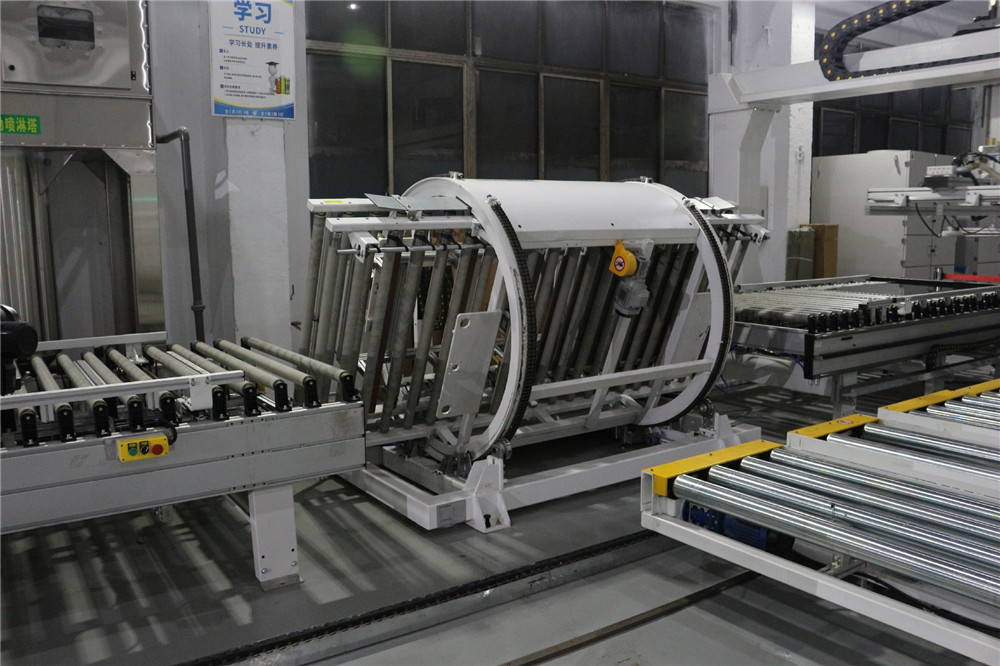
As technology advances and application demands grow, the vacuum lamination process will continue to improve. Innovations such as higher-performance resins and fiber materials, optimized lamination processes, and automated production equipment will further enhance material performance in complex environments.
As a composite material, vacuum laminated boards offer high strength, low weight, corrosion resistance, and excellent thermal and electrical properties, making them valuable across multiple industries. Whether in electronics, aerospace, automotive, or architectural decoration, they occupy an important role. With ongoing technological evolution, vacuum laminated boards are expected to expand into more applications, supporting modern manufacturing toward greener, more stable solutions.